
Gemstone Education
Birthstones by Month
Birthstones are a modern tradition built on much older lists, standardised in the twentieth century. They make a considered gift — but durability varies sharply from month to month.
Gemstone Education — 4 min read
The twelve months
Each entry notes the stone's Mohs hardness, so you can judge what setting suits it.
- January — Garnet (7 to 7.5); deep red, hard enough for rings
- February — Amethyst (7); purple quartz, good all-round durability
- March — Aquamarine (7.5 to 8); pale blue beryl, very wearable
- April — Diamond (10); the hardest natural material
- May — Emerald (7.5 to 8); beautiful but included, treat with care
- June — Pearl (2.5) or Alexandrite (8.5); pearl is soft and needs protecting
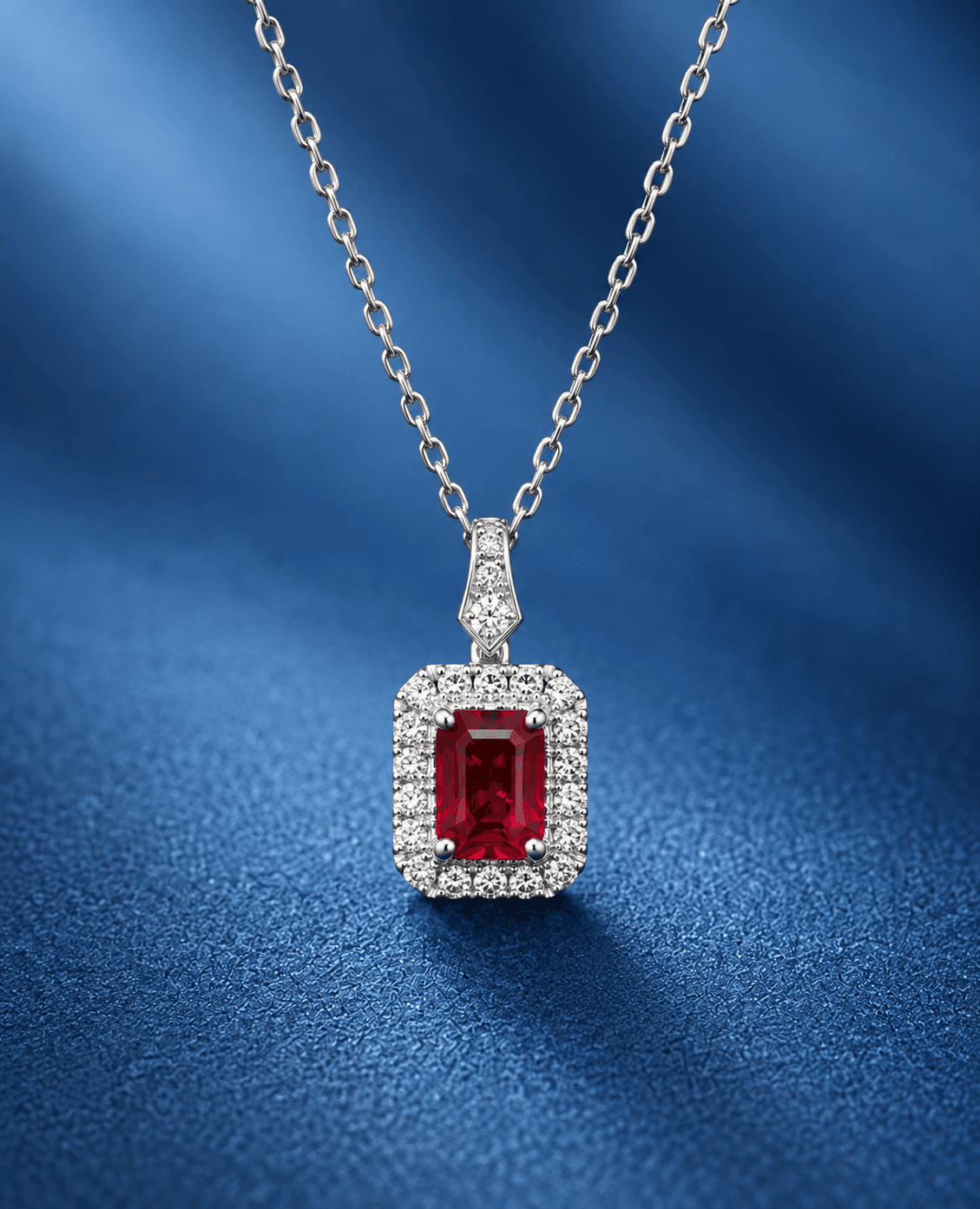
- July — Ruby (9); the most durable coloured stone alongside sapphire
- August — Peridot (6.5 to 7); olive green, better in earrings than rings
- September — Sapphire (9); available in every colour, not only blue
- October — Opal (5.5 to 6.5) or Tourmaline (7 to 7.5); opal is fragile and water-sensitive
- November — Topaz or Citrine (7 to 8); warm golden tones
- December — Tanzanite (6 to 7), Zircon, or Turquoise; tanzanite is soft, so avoid daily-wear rings
Choosing a setting for the stone
Match the setting to the hardness. Anything below 7 belongs in a pendant or earrings, or in a bezel setting that shields the girdle from knocks if it must be a ring.
For softer stones, a protective bezel and a lower profile will do more for longevity than any amount of care.
Questions this guide did not answer?
Ask an Advisor