
The Gemstone Guide
Coloured stones are not graded on the diamond scale. Colour carries most of the value, and durability varies enormously — which makes 'will this survive being worn every day?' the first question, not the last.
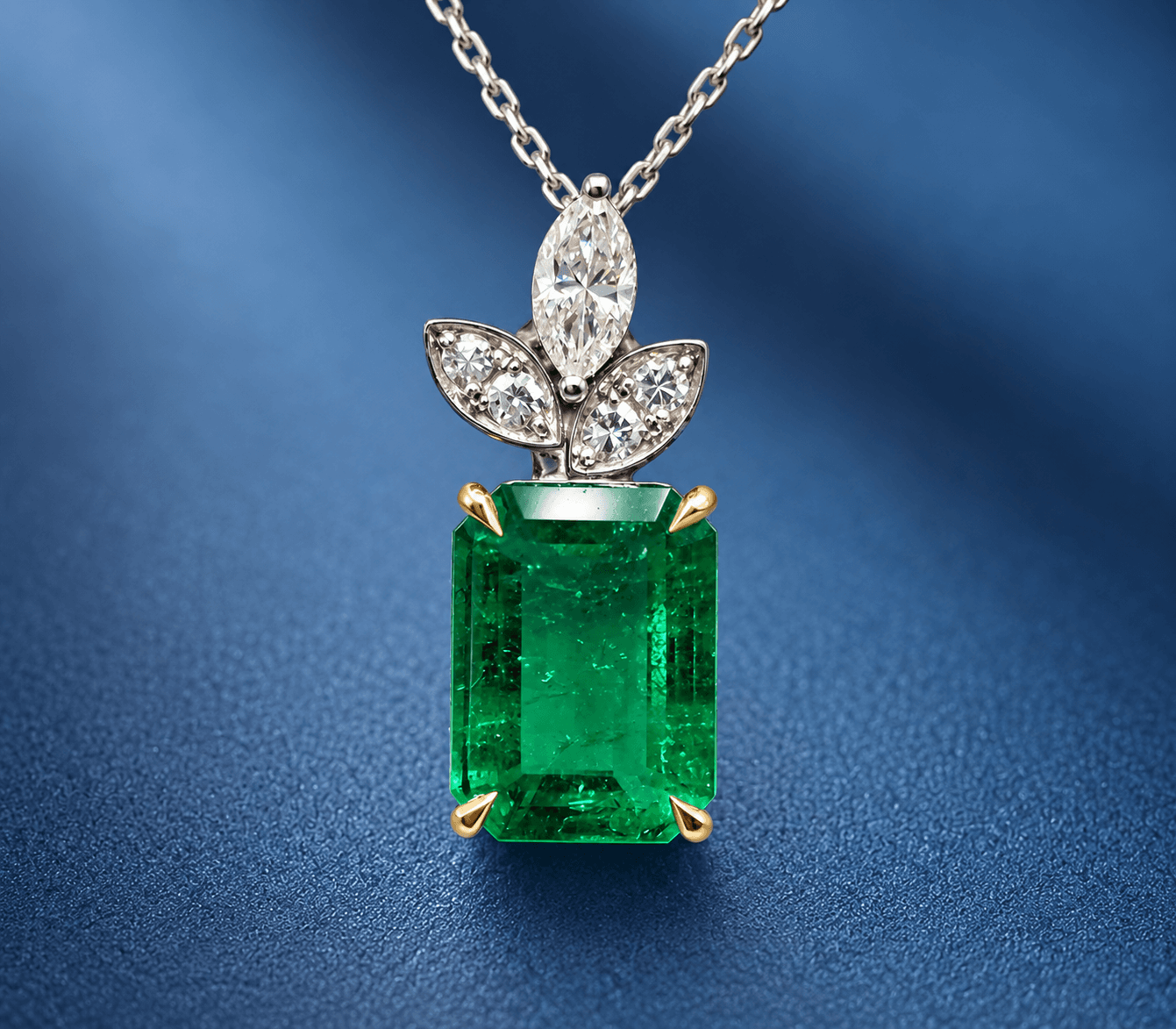
Colour is the value
Gemstone colour is assessed on hue, tone, and saturation. Hue is the colour itself, tone is how light or dark it sits, and saturation is how vivid it is versus how grey or brown.
The most valuable stones sit at medium tone with strong saturation — rich enough to read clearly, not so dark that the stone closes up in low light.
Hardness and daily wear
The Mohs scale runs 1 to 10 and measures scratch resistance. For a ring worn every day, aim for 8 or above; softer stones are better suited to earrings and pendants, which take far less impact.
- Sapphire and ruby — 9; excellent for daily wear
- Spinel and topaz — 8; very durable
- Emerald — 7.5 to 8, but typically included, which makes it more fragile than the number suggests
- Tanzanite, opal, and pearl — soft or brittle; reserve for occasional wear
Treatments and disclosure
Most coloured stones on the market are treated to improve colour or clarity. Heat treatment in sapphire and ruby is stable, permanent, and entirely standard. Others — fracture filling, dyeing, irradiation — are less stable and materially affect value.
The rule that matters is disclosure. Any treatment should be stated plainly before you buy, because it changes both the price and how the stone must be cared for.
Cut and windowing
Coloured stones are cut to show colour rather than maximise sparkle, so proportions vary more than in diamonds. The flaw to look for is a 'window' — a pale, washed-out patch in the centre where light passes straight through instead of reflecting back.
Questions this guide did not answer?
Ask an Advisor